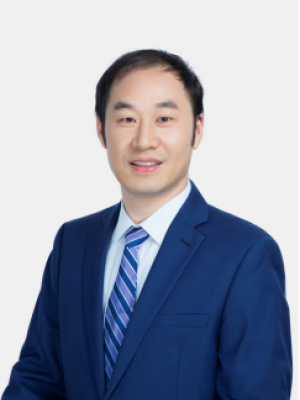
教授,博士生导师
个人简介
教授、博士生导师,从事人兽共患病原体与宿主细胞互作及病原体致病的分子机制。课题组利用遗传操作、分子生物学、细胞生物学、免疫学、多组学等技术方案,探讨病原体与宿主细胞互作的分子机制及其对病原体寄生和致病的生理、生化和免疫学意义,开展病原体在胞内寄生的关键抗原发现,以及这些抗原和突变株在抗肿瘤免疫和防控疫苗的应用研究。主持国家及省市级研究项目,课题组在国际学术期刊NatureCommunications、eLife、PLoSPathogens发表研究论文。
研究方向
1.弓形虫侵入细胞、及弓形虫与宿主细胞互作的机制
2.弓形虫生活史发育与分化的分子调控机制
3.弓形虫感染与宿主免疫、抗原分子筛查及疫苗研究
4.隐孢子虫胞内寄生与致病的分子基础
工作经历
2026/05-至今 中山大学生物安全学院,教授
2024/05-2026.05 中山大学公共卫生学院(深圳),教授
2018/06-2024/04 中国农业大学动物医学院,教授
2013/06-2018/01 华盛顿大学医学院(圣路易斯),博士后
2010/07-2013/05 英国纽卡斯尔大学医学院,玛丽居里博士后
教育经历
2005/11-2010/07 捷克国家科学院寄生虫学/南波西米亚大学,寄生虫的分子与细胞生物学,哲学博士
2003/09-2005/07 中山大学生命科学学院,海洋生物学,理学硕士
1997/09-2001/07 湖南农业大学生命科学学院,生物技术,理学学士
讲授课程
生物安全概论、热带病与全球健康、病原学鉴定、人兽共患病
承担课题及科研项目
- 国家自然科学基金委员会,面上项目,2019-2022,项目负责人,结题
- 国家自然科学基金委员会,面上项目,2022-2025,项目负责人,结题
- 十四五重点研发计划子任务,弓形虫分泌细胞器的形成机制,2022-2025,子任务负责人,结题
- 十四五重点研发项目子任务,弓形虫突变株疫苗研制,2023-2027,子任务负责人,在研
- 北京市自然科学基金,面上项目,2020-2022,项目负责人,结题
- 中国农业大学,“杰出人才”教授启动经费,2018-2023,项目负责人,结题
- 中山大学,引进人才启动经费,2024-2030,项目负责人,在研
代表性研究论文
- He K, Wu R, Yan A, Liu X, Long S. A novel ENTH domain-containing protein TgTEPSIN is essential for structural maintenance of the plant-like vacuolar compartment and bradyzoite differentiation in toxoplasma gondii. Int J Bio Macromol. 2025, 300:140311
- Chen X, Ding H, Dong H, Lai D-H, Hide G, Suo X, Long S. Phenotypical characterization of novelapicoplast membrane proteins in Toxoplasma
- Gondii. One Health Advances.2025, 3:11.
- Sun M, Tang T, He Kai, Long S. TBC9, an essential TBC-domain protein, regulates early vesicular transport and IMC formation in Toxoplasma gondii. Communications Biology. 2024, 7:596.
- Li YB, He K, Dong H, Ding HY, Tang XT, Wu XT, Chen XW, Wu RB, Wang QQ, Aleem MT, Long S. A Sarcocystidae-specific striated fiber assemblin protein SFA5 is required for parasite division in Toxoplasma gondii. One Health Advances. 2024, 2:15.
- Dong H, Yang J, He K, Zheng WB, Lai DH, Liu J, Ding HY, Wu RB, Brown KM, Hide G, Lun ZR, Zhu XQ, Long S. The Toxoplasma monocarbxylate transporters are involved in the metabolism within the apicoplast and are linked to parasite survival. eLife. 2024, 12:RP88866.
- Wu XT, Wang QQ, Gao XW, Dong H, Ding HY, Wu XT, Chen XW, Wu RB, Wang QQ, Aleem MT, Long S. The plant-like protein phosphatase PPKL regulates parasite replication and morphology in Toxoplasma gondii. Parasites & Vectors. 2024, 17(1):142.
- He K, Wang QQ, Gao XW, Tang T, Ding HY, Long S. Transcriptomic and metabolomic analyses reveal the essential nature of Rab1B in Toxoplasma gondii. Parasites & Vectors. 2023, 16(1):409.
- Wang QQ, Sun M, Tang T, Lai DH, Liu J, Maity S, He K, Wu XT, Yang J, Li YB, Tang XY, Ding HY, Hide G, Distefano M, Lun ZR, Zhu XQ, Long S. Functional screening reveals Toxoplasma prenylated proteins required for endocytic trafficking and rhoptry protein sorting. mBio. 2023, 14(4):e0130923. (Q1, IF=6.4)
- Wan W, Dong H, Lai DH, Yang J, He K, Tang X, Liu Q, Hide G, Zhu XQ, Sibley LD, Lun ZR, Long S. The Toxoplasma micropore mediates endocytosis for selective nutrient salvage from host cell compartments. Nature Communications. 2023, 14(1):977.
- Long S, Brown KM, Sibley LD. 2018. Protein interactomes defined by BirA labeling in Toxoplasma gondii. Bio-Protocol. 8(6). pii: e2768.
- Long S, Anthony B, Drewry L, Sibley LD. 2017. A Conserved ankyrin repeat containing protein CPH1 regulates conoid stability, motility and cell invasion in Toxoplasma. Nature Communications. 2017, 8(1):2236.
- Long S; Brown KM; Drewry LL; Anthony B; Phan IQ; Sibley LD. 2017. Calmodulin-like proteins localized to the conoid regulate motility and cell invasion by Toxoplasma gondii. PLoS Pathogens. 2017, 13(5):e1006379.
- Long S, Wang QL, Sibley LD. 2016. Analysis of noncanonical calcium-dependent protein kinases in Toxoplasma gondii by targeted gene deletion using CRISPR/Cas9. Infection and Immunity. 2016, 84(5):1262-73.
- Brown KM, Long S, Sibley LD. 2018. Conditional Knockdown of Proteins Using Auxin-inducible Degron (AID) Fusions in Toxoplasma gondii. Bio-Protocol, 8(4):e2728.
招生信息
课题组特别欢迎生物学、兽医学、生物安全、预防医学、生物信息学等专业背景的本科和研究生加入团队,共创团队未来发展。联系人:龙少军,联系方式:longshj3at mail.sysu.edu.cn.